Rift Valley Institute · 2001–2026
Making local knowledge work
has never been more relevant.
For twenty-five years, the Rift Valley Institute has worked across eastern and central Africa with researchers, communities and institutions, bringing local knowledge from people of the region to bear on the issues shaping the region.
RVI was founded in Sudan in 2001 in the wake of large-scale international humanitarian and development interventions in Sudan, Somalia and Rwanda. Its founders recognized something those interventions had missed.
The communities in those countries were not simply communities of need. They were communities of knowledge and practice. Their lived experiences, historical memories and practical insights were essential to understanding change and to shaping effective responses.
A simple but ambitious idea.
From that conviction came a simple idea: Locally grounded knowledge should shape how the region is understood, represented and engaged with. This idea lies behind the field research, training, publications, archives, public dialogue and cultural work through which RVI generates, exchanges and conserves knowledge with the peoples in the countries where it works.
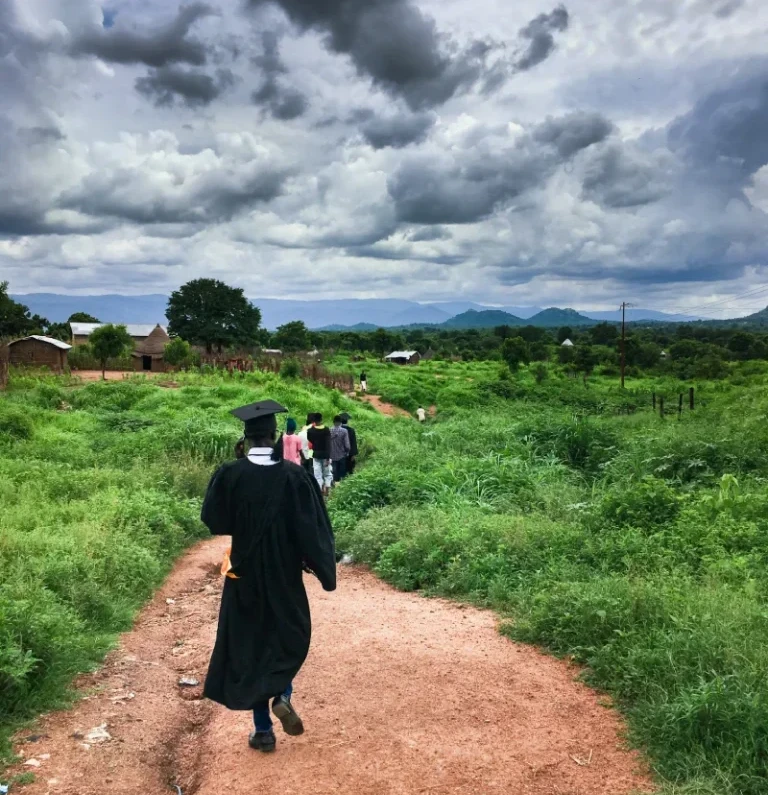
Nuer-speaking graduates and their relatives walk home after a graduation ceremony in Gambella town, Ethiopia, in August 2019. Credit: Yotam Gidron.
Knowledge does not begin in a report. It begins in people’s lived experiences of the places they know best.
At a time when the global system is being reconfigured and many Western donors are scaling back their engagement in Africa, the need for locally grounded knowledge has never been greater.
Local knowledge is not a luxury, but the foundation of effective and responsible action. It is an investment in understanding Africa on its own terms.
Whether the issue is conflict, climate adaptation, migration, urbanization, governance or economic transformation, solutions emerge when analysis is rooted in lived experiences, and when those closest to the issues are recognized as producers of knowledge.
If knowledge begins with lived experience, then this moment of global change should be understood from the perspective of the people living through it. Not only how global changes affect the region, but what change looks like from within it, and how communities are responding to and shaping the future.
Local voices are not waiting for a new order to emerge.
The current inflection point is an opportunity for communities of knowledge and practice to chart their own course, and to define the terms of their own debates. This is perhaps nowhere more visible than in the protest politics of a younger generation, tired of the ways of thinking and choices offered to them by existing elites.
They are increasingly seeking conversations defined on their own terms, in their own spaces, with their own vernaculars. This is the place where the future of policy, development and regional relations will be decided.
Mickie Muchilwa, a student who attended the Ngũgĩ wa Thiong’o forum in June 2025.
RVI has built a distinctive role by recognizing and bringing together multiple ways of knowing through rigorous research, education and training, public dialogue, cultural and heritage work and sustained engagement with policymakers and practitioners.
By connecting knowledge producers, communities, policymakers and practitioners, RVI creates spaces in which different ways of knowing can inform public debate, policy and practice.
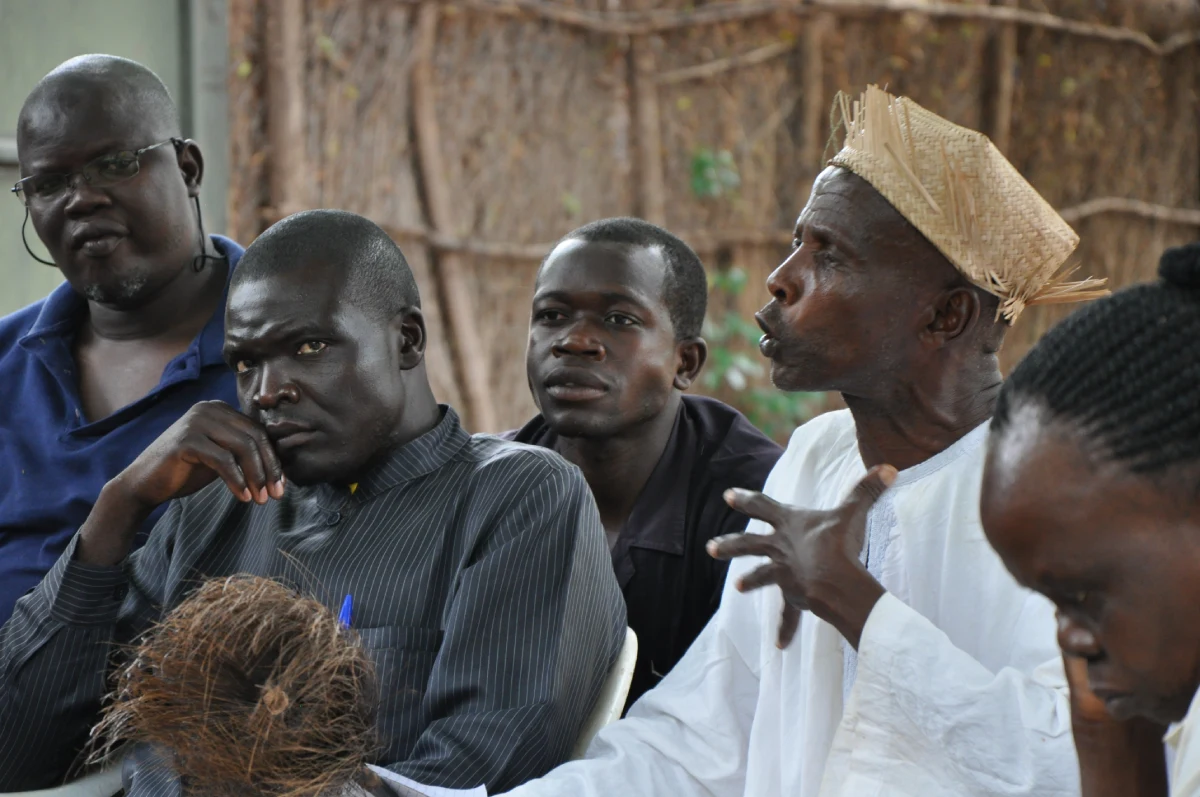
Elder Taratizio Wandu speaks at a 2016 SSCA Project meeting of traditional leaders at Kuron Peace Village, South Sudan. Credit: Martina Santschi.