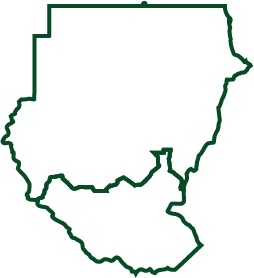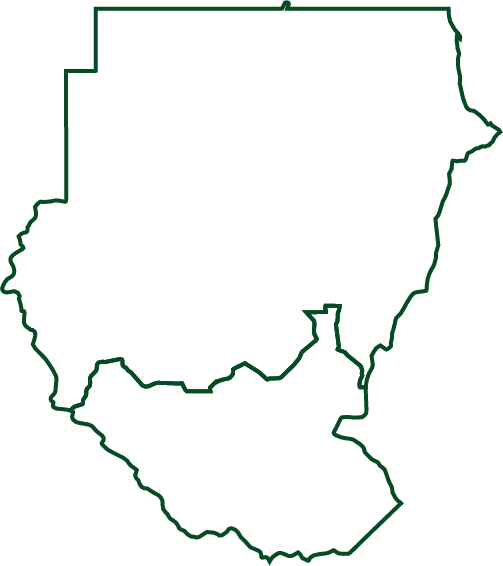
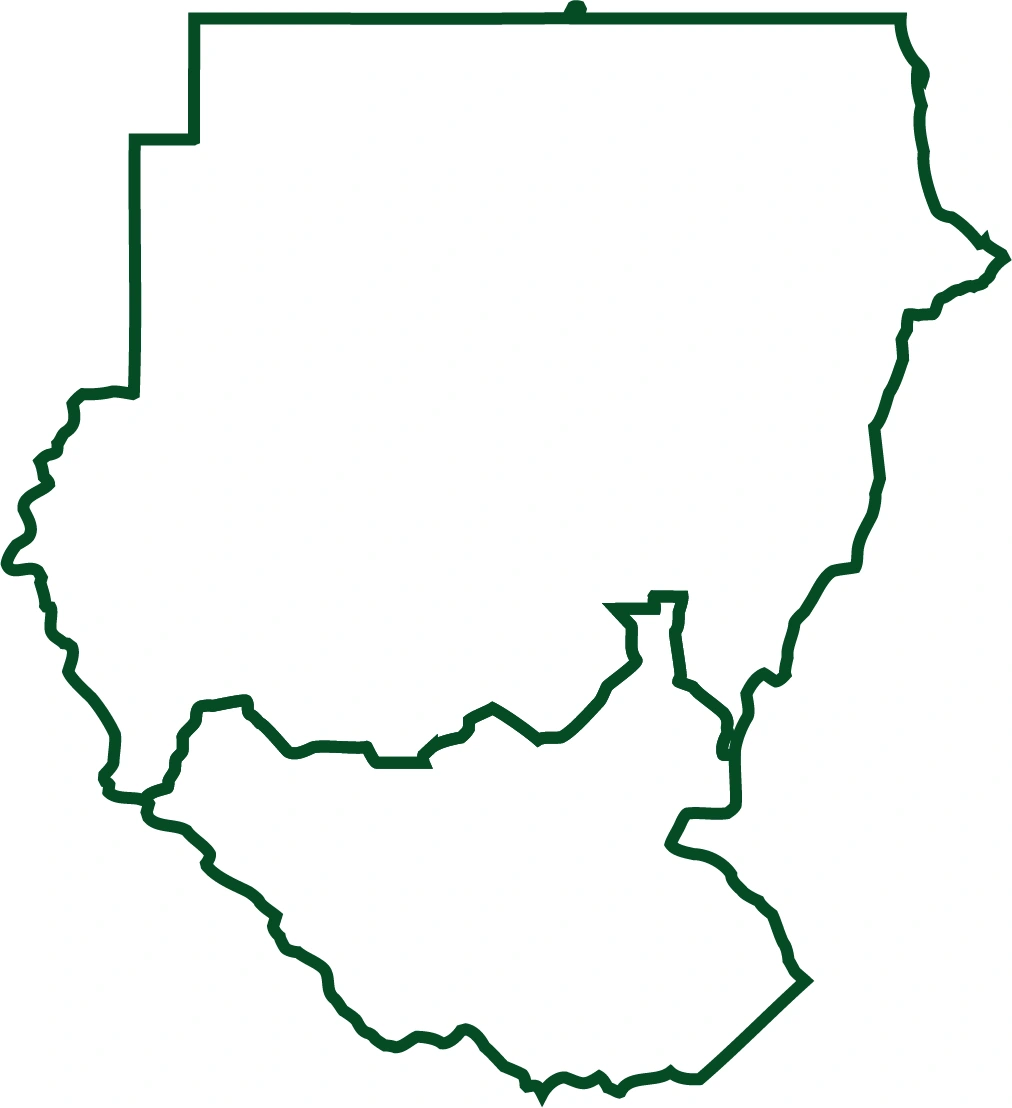
Sudan, South Sudan
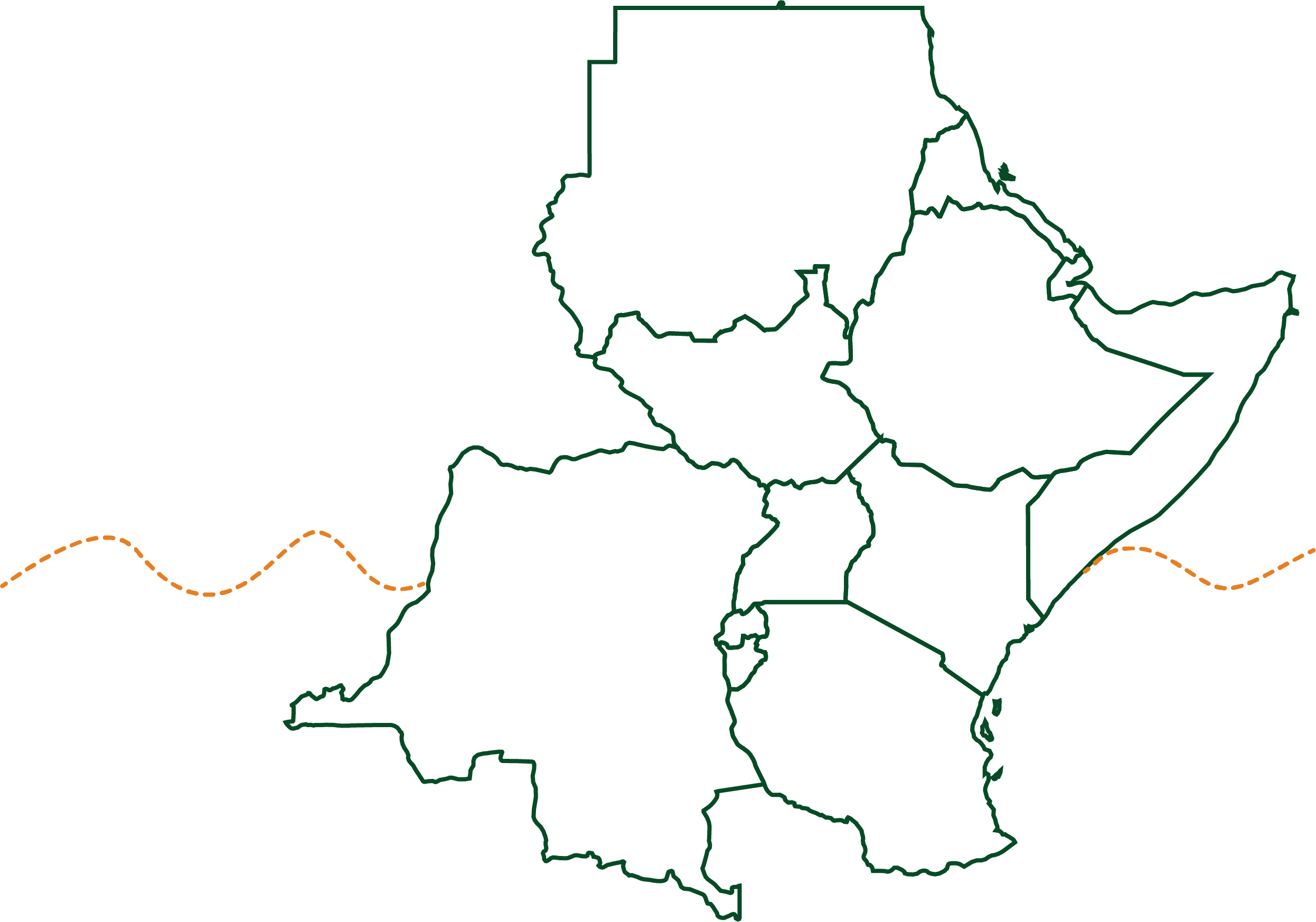
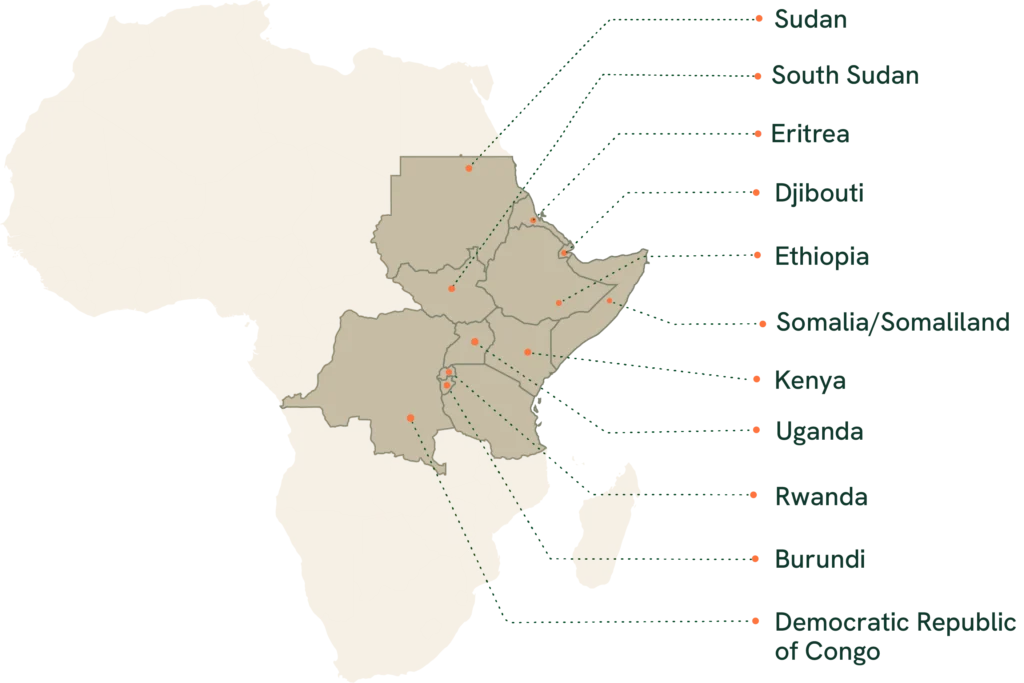
RVI was founded in Sudan in 2001 by John Ryle, Jok Madut Jok and Philip Winter. Today, the Institute works across eastern and central Africa, advancing useful knowledge of the region and its diverse communities.
A milestone marking a quarter-century of supporting local knowledge production, education and public dialogue across eastern and central Africa.
Since 2001, RVI has worked to bring local knowledge to bear on the social, political and economic development of eastern and central Africa. This anniversary reflects on that journey through selected stories, conversations and milestones, while looking ahead to the questions and opportunities that will shape RVI’s future.
From RVI’s first field investigation in Sudan to its work in research, training, archives, publications and public dialogue, this timeline traces selected moments that shaped the Institute’s approach.
RVI was founded in Sudan in 2001 by John Ryle, Jok Madut Jok and Philip Winter. Today, the Institute works across eastern and central Africa, advancing useful knowledge of the region and its diverse communities.
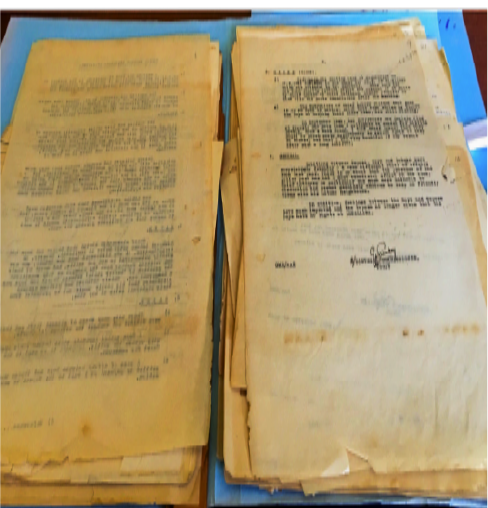
RVI’s first project investigated war-related abduction and enslavement during Sudan’s second civil war — the foundation for locally informed, field-based research.
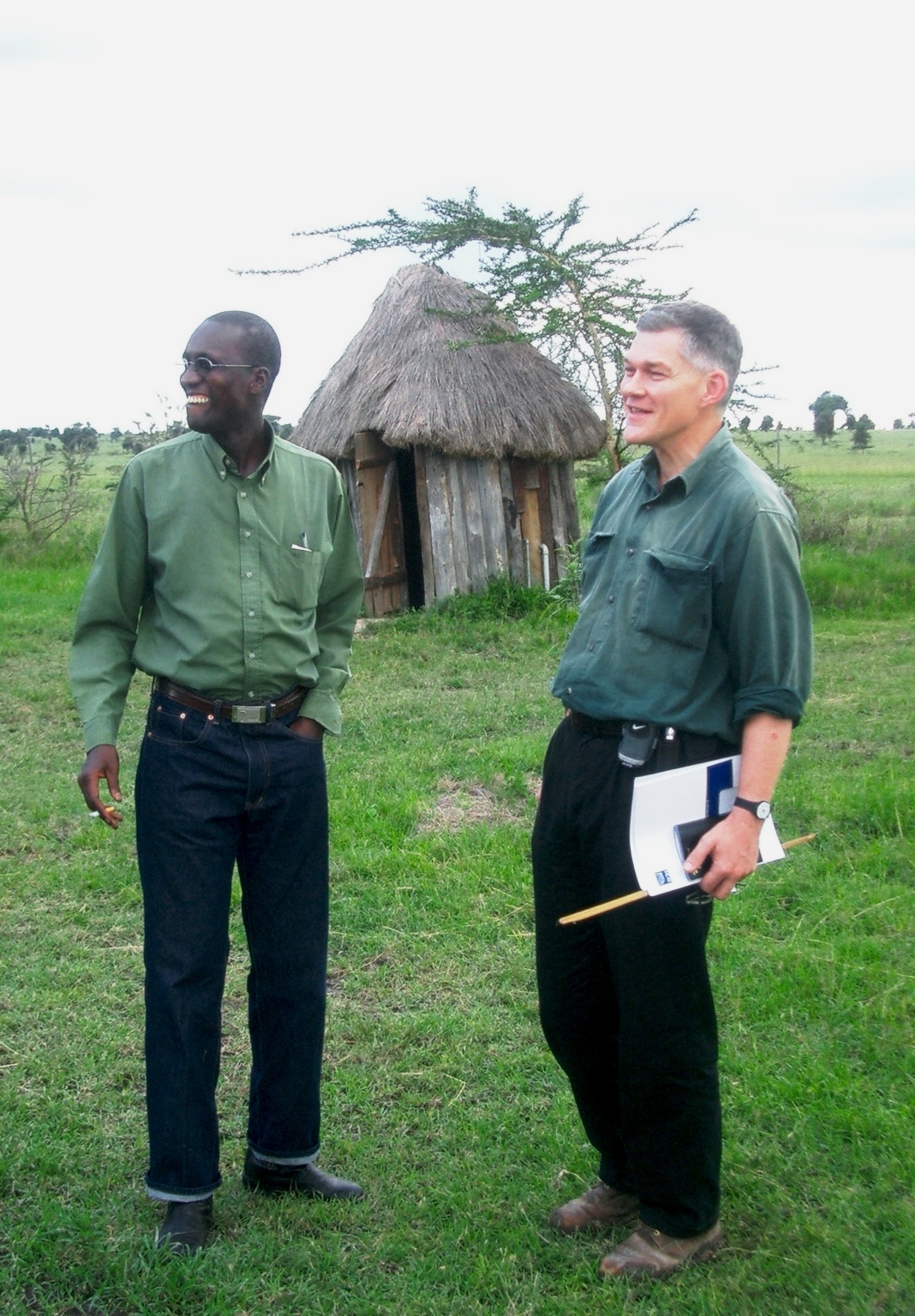
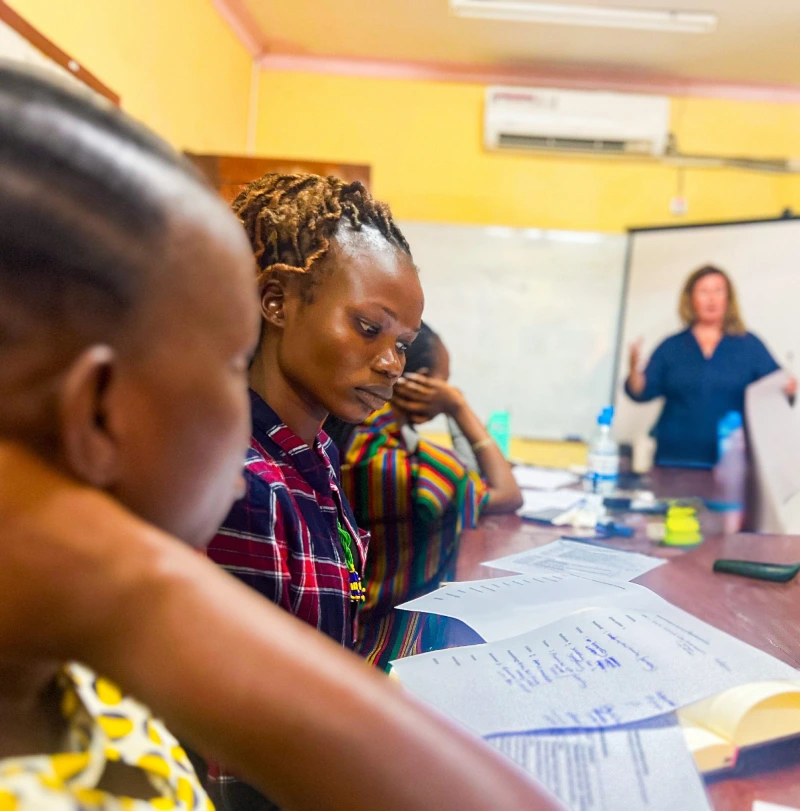
The first Sudan Course took place in a tented camp at Athi River, pioneering RVI’s field-based approach to regional learning and opening its long-running programme of courses across eastern and central Africa.
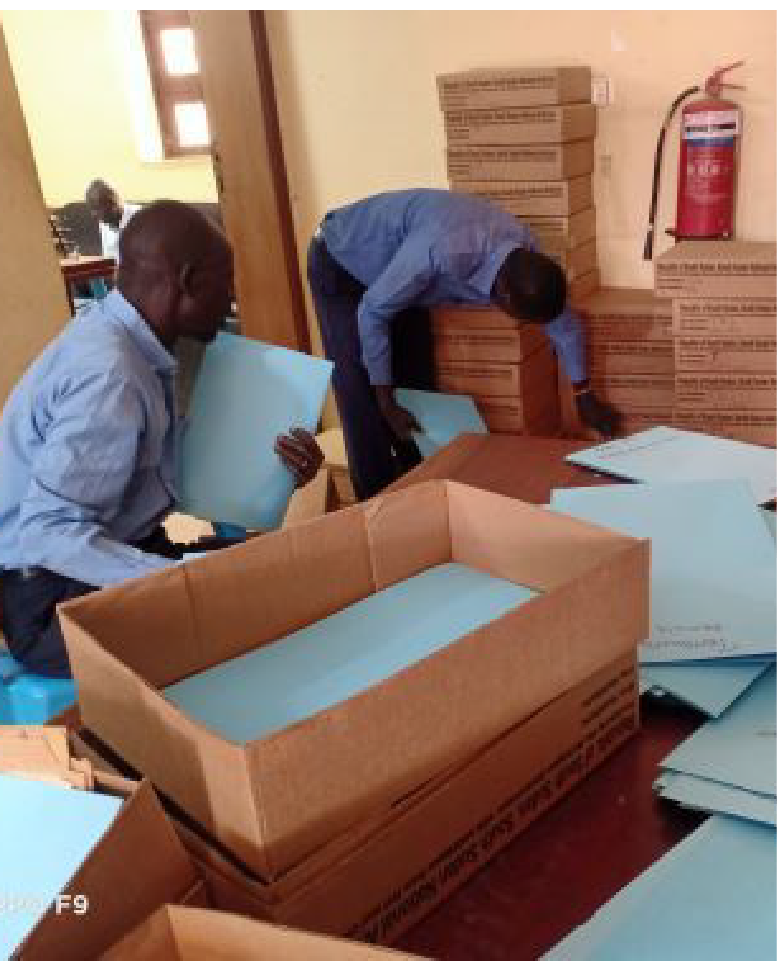
Working with the National Archives of South Sudan, RVI has helped preserve, catalogue and digitise historical records, strengthening access to the country’s documentary heritage.
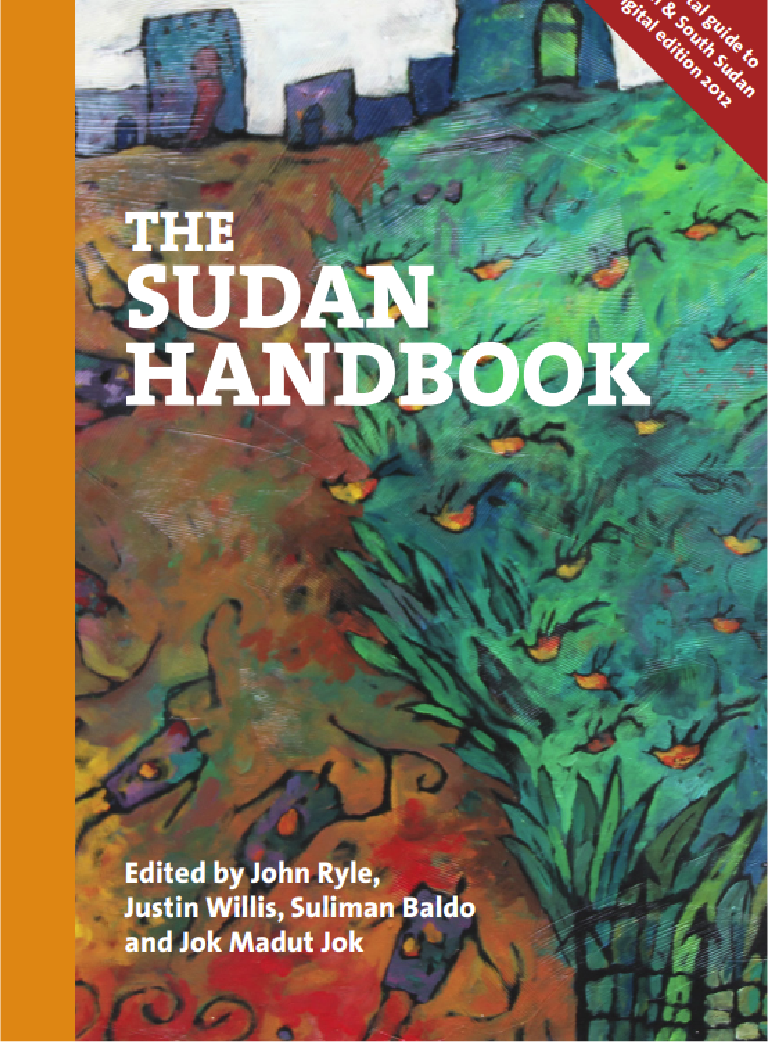
Growing out of the Sudan and South Sudan Course, the Handbook turned specialist knowledge into an accessible public resource.
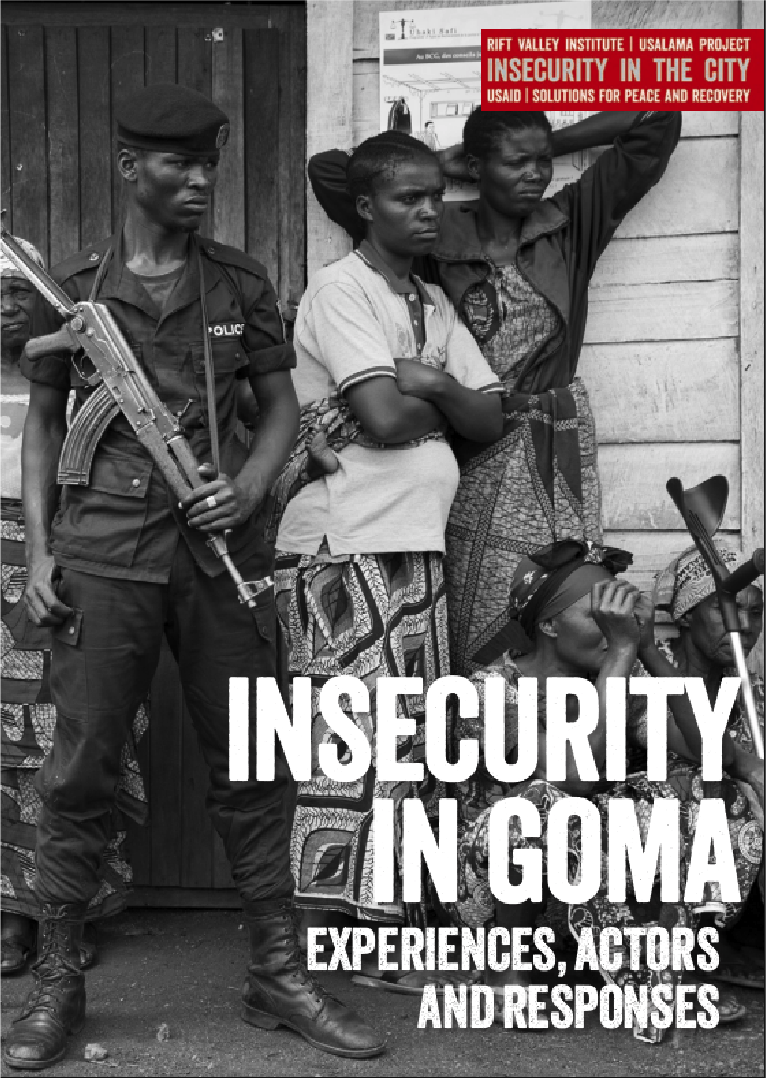
The Usalama Project combined collaborative field research with an influential publication series on armed groups, political authority and conflict in the Great Lakes.
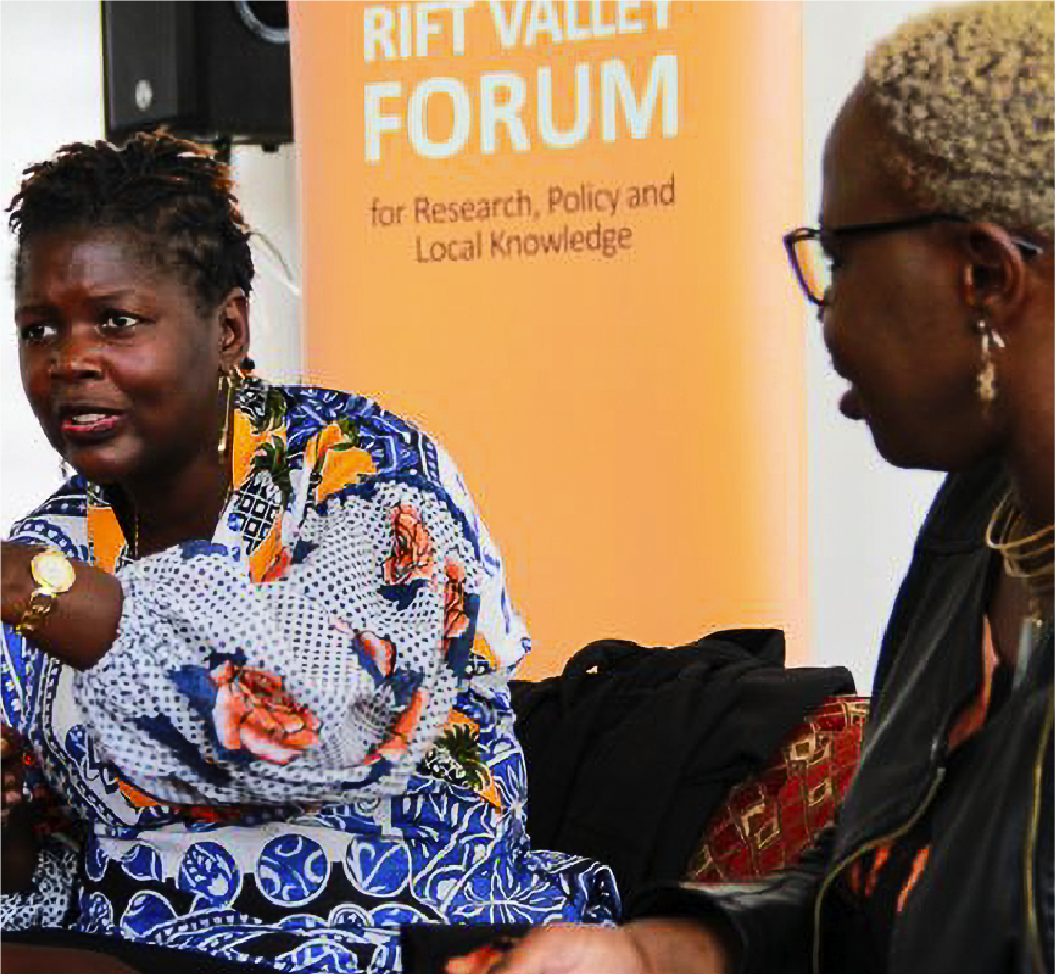
The Rift Valley Forum created a platform for critical public discussion, bringing together researchers, practitioners, policymakers and the public to debate issues affecting eastern and central Africa.
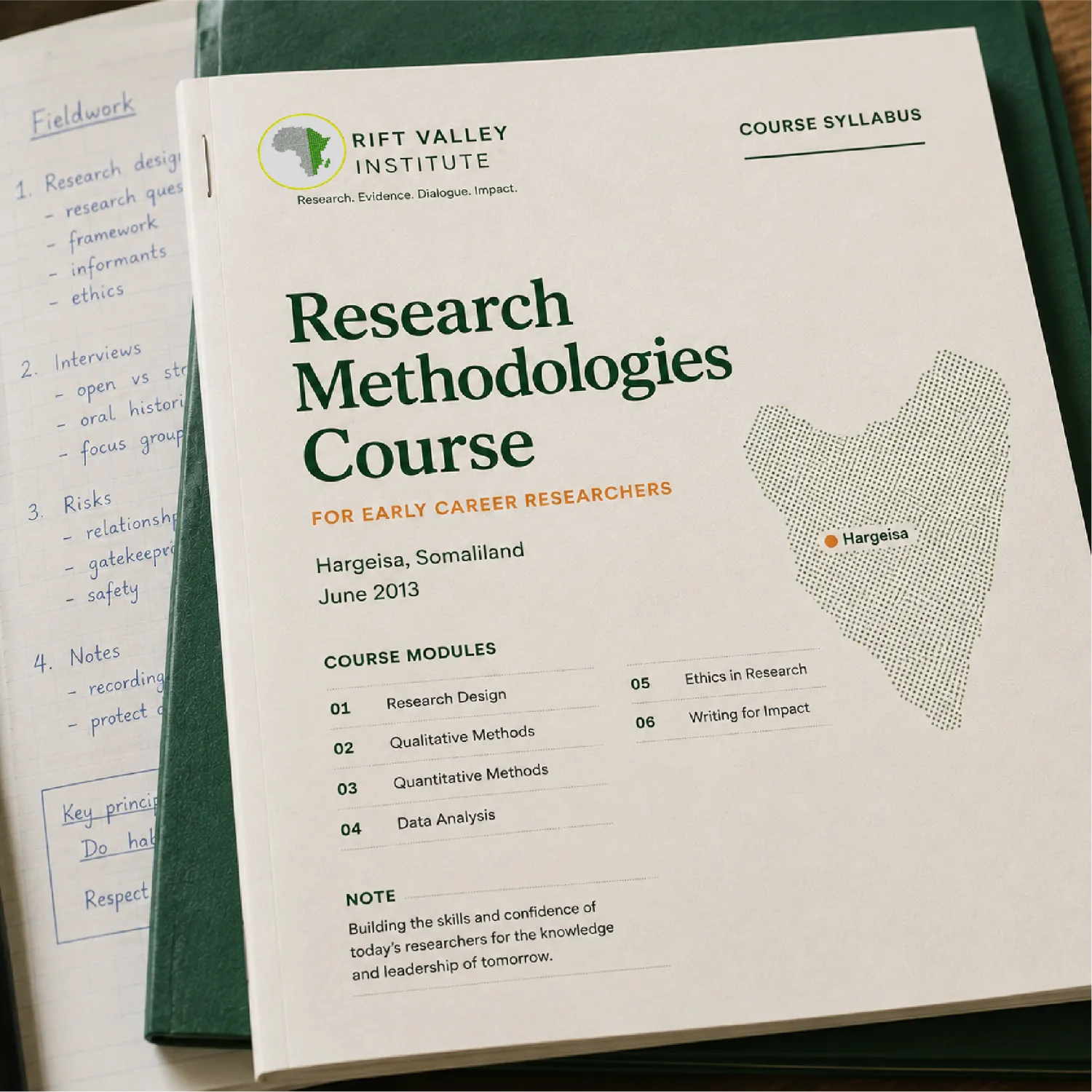
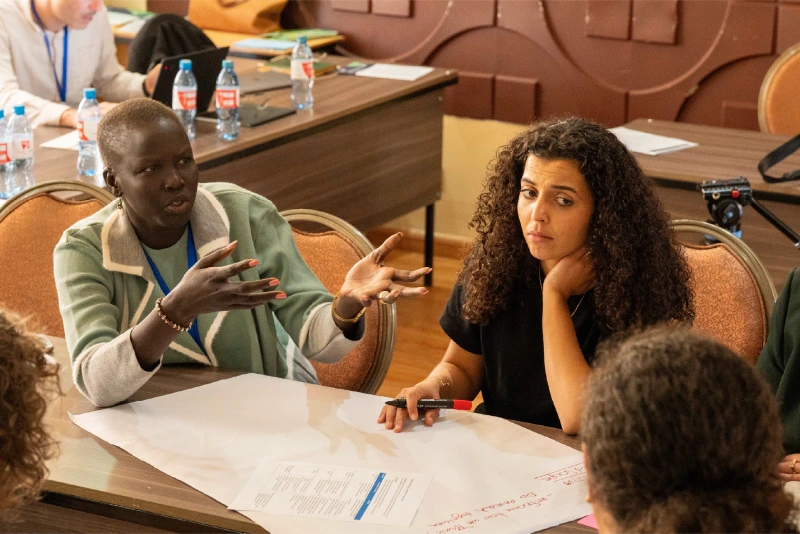
RVI organized a research methodologies course for early career researchers in Somaliland, laying the foundations for later training and mentorship programmes including the South Sudan Women’s Research Network, Research Communities of Practice and the Ethiopian Women Researchers Network.
RVI helped establish the Hargeysa Cultural Centre with the Redsea Cultural Foundation, creating a lasting home for Somali literature, heritage, public dialogue and the arts.
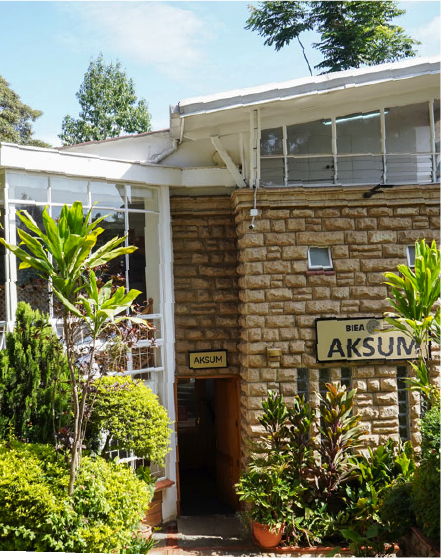
With Nairobi becoming the Institute’s headquarters, RVI completed its transition to an Africa-based transnational organization, reflecting its growing presence and leadership across the region.
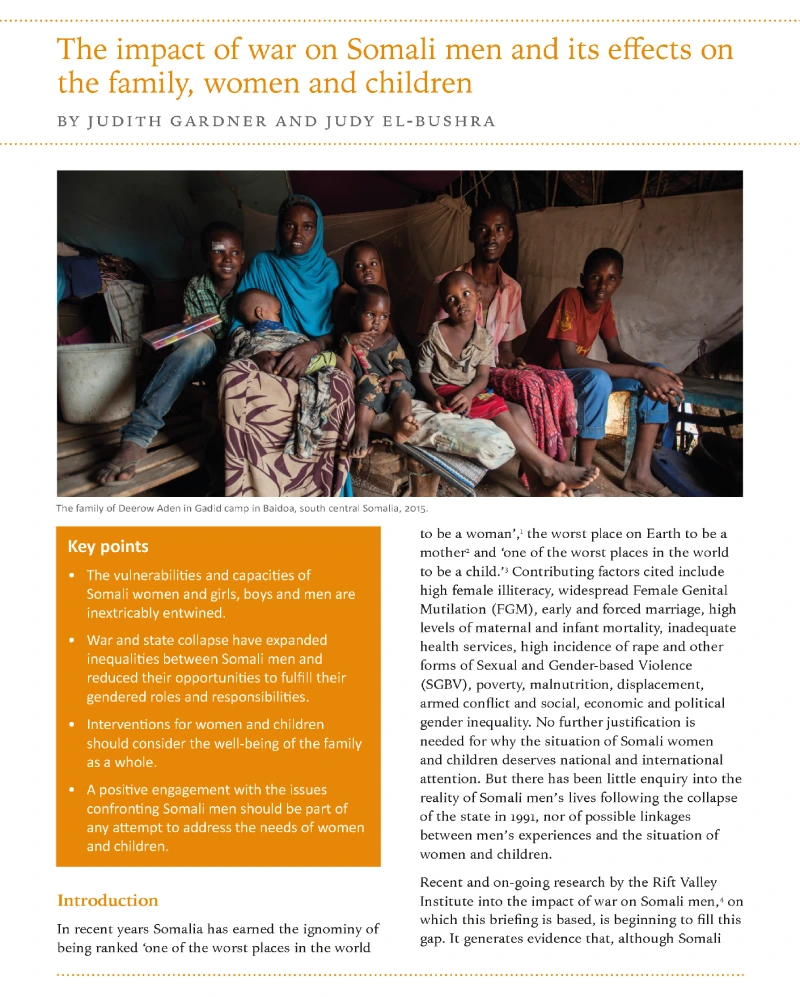
A groundbreaking study of conflict and masculinities in Somalia, examining how war affects men, women and families and reshaping thinking on gender and conflict.
A research consortium aimed at developing a better understanding of the causes and implications of conflict in the border areas of north-east Africa, the Middle East and Asia to support more effective policymaking and development programming. The project worked closely with a network of local researchers and institutions to develop their research skills. RVI produced over 50 publications on a range of social, political, economic and security issues.
A long-term initiative supporting early-career South Sudanese women researchers through grants, training, mentorship and publication opportunities, strengthening their participation and visibility in research and policy engagement.
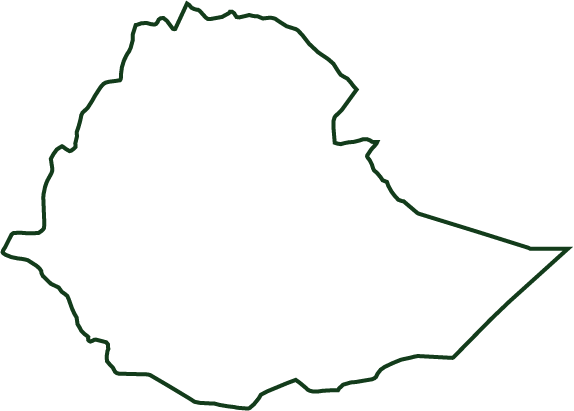
The launch of the Peace Research Facility enabled RVI to establish its Ethiopia office, strengthening locally grounded research, analysis and public dialogue on peace and conflict in Ethiopia.
RVI@25 looks ahead as well as back, using thought leadership, events and public dialogue to explore the questions that will shape the Institute’s next twenty-five years.
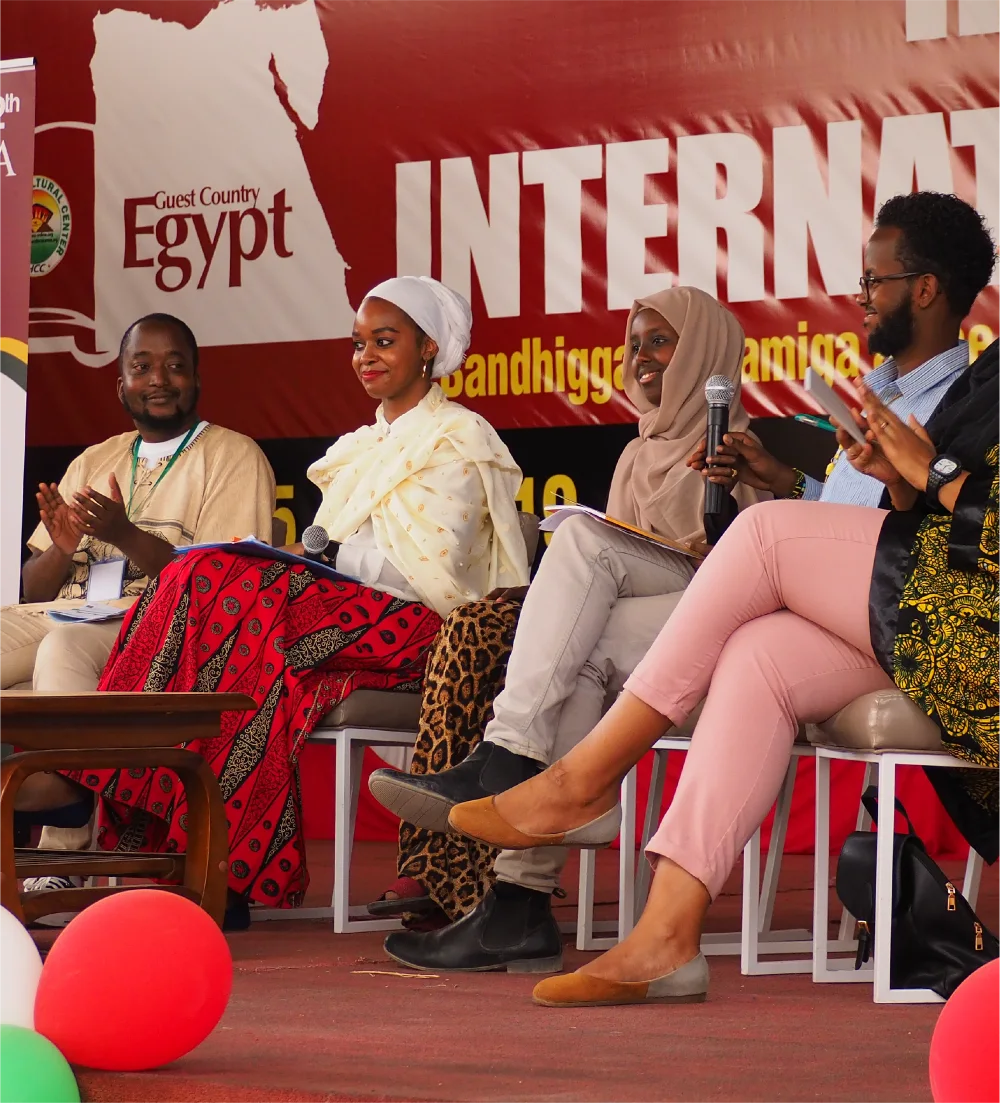
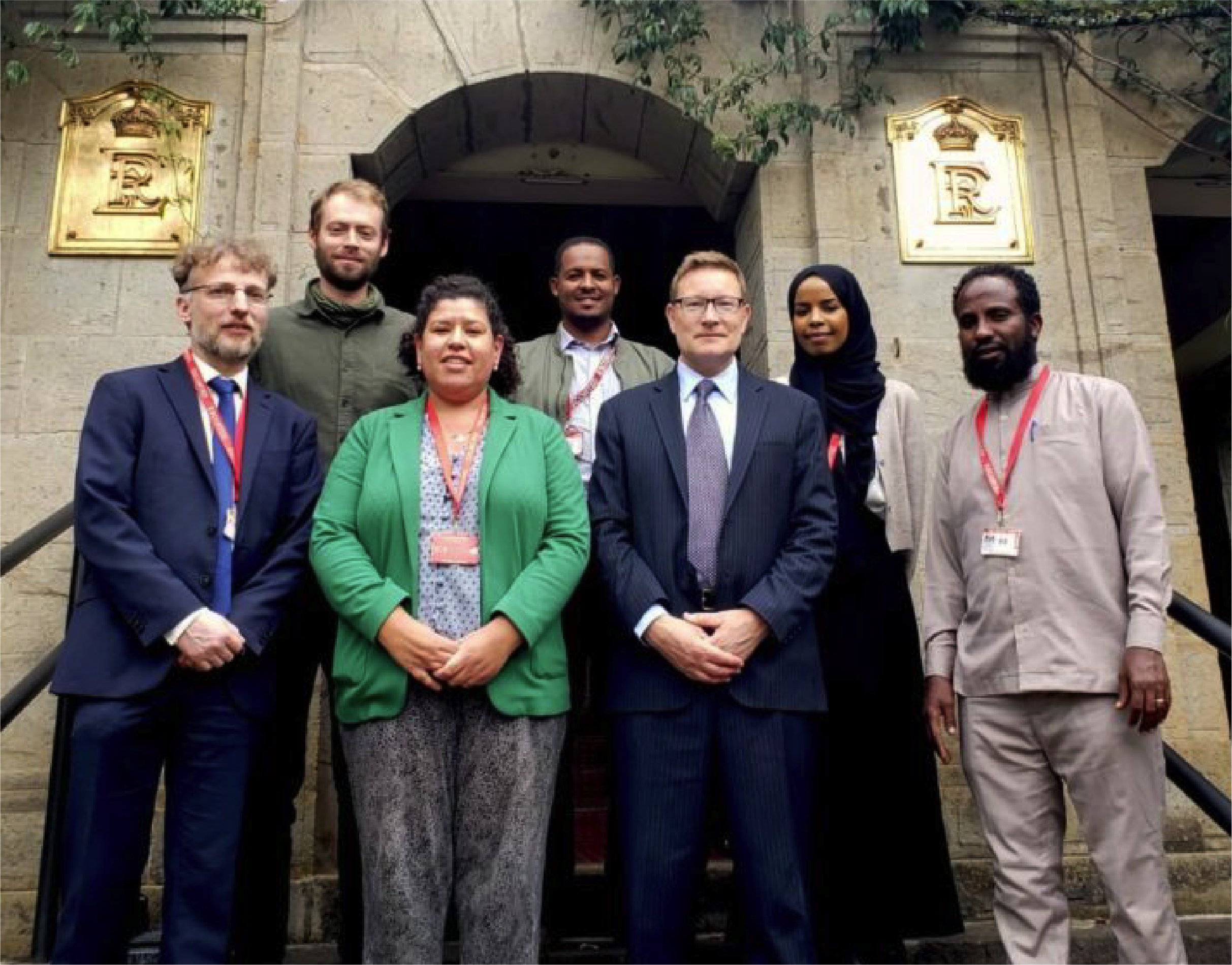
Hear from the RVI network including fellows, partners and members of the wider RVI community reflecting on the Institute’s history, its role in the region and the questions shaping its future.
Co-founder, RVI · Bard College
Founder, Confluence Advisory
RVI Fellow · Head of Inclusive Governance, ECDPM
RVI Fellow · Professor, Juba University
Training, mentoring and
networks that strengthen knowledge from the region.
Spaces where people meet to critically debate ideas, evidence and questions about Africa’s development.
Archives, oral history and cultural production as ways of understanding the region.
Across a changing region and shifting global landscape,
these are the threads that have guided RVI’s work since 2001.
Research rooted in people, places and long-term relationships.
Training, mentoring and networks that strengthen knowledge from the region.
Spaces where people meet to critically debate ideas, evidence and questions about Africa’s development.
Archives, oral history and cultural production as ways of understanding the region.
Research rooted in people, places and long-term relationships.
Training, mentoring and networks that strengthen knowledge from the region.
Spaces where people meet to critically debate ideas, evidence and questions about Africa’s development.
Archives, oral history and cultural production as ways of understanding the region.